Have you noticed more and more townhouses hitting the market in various U.S. cities? It’s not your imagination. Active listings climbed in 2025, and in some regions, townhouse inventory is growing. If you’re looking to buy a home but can’t afford (or don’t want the financial commitment of) a single-family house, a townhouse can be the ideal choice, especially if you want to live in a popular city with higher-than-average cost of living.
A townhouse may be the right option for you, but is it the right investment for you? When purchasing property, you have to carefully consider your location and think big picture to avoid making a massive decision you’ll one day regret. GOBankingRates talked to two real estate experts to find out what places you should avoid buying a townhouse in 2026.
San Francisco is one of the most expensive cities in the U.S. Housing is an unfathomable fortune (think $1.3 million for a townhouse that doesn’t even span 1,500 square feet). And it might not be worth it.
“Housing fundamentals have softened as the technology sector loses some of its momentum and people leave for lower-cost areas,” Ryan Wright, a real estate investor and CEO of The Investor’s Edge, said of San Francisco. “Townhomes appreciate less quickly than single-family homes when demand falls.”
Read More: 5 College Towns Where Buying a House Creates Long-Term Passive Income
Check Out: How Middle-Class Earners Are Quietly Becoming Millionaires — and How You Can, Too
Thinking of buying a townhouse for a Florida retirement this year? Think again.
“This market has gone from pandemic over-expansion to oversupply, high insurance costs and slow demand,” Wright said. “Townhomes are likely to suffer longer vacancies and lethargic resales as the supply continues to build.”
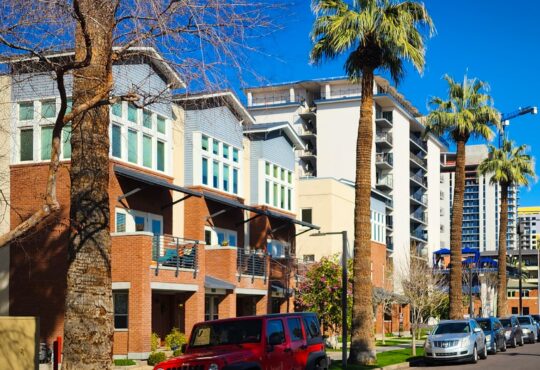
Wright also sees momentum dying down in Phoenix too.
“The pandemic-fueled growth is slowing, and supplies are outpacing demand, leading to softer pricing and longer lease times for townhouse projects,” he said.
Over in Nashville, a townhouse isn’t the smartest long-term investment in 2026.
“A strong growth has cooled, and increasing expenses are making townhomes less liquid, leading to longer holds and a slower appreciation for buyers,” Wright said.
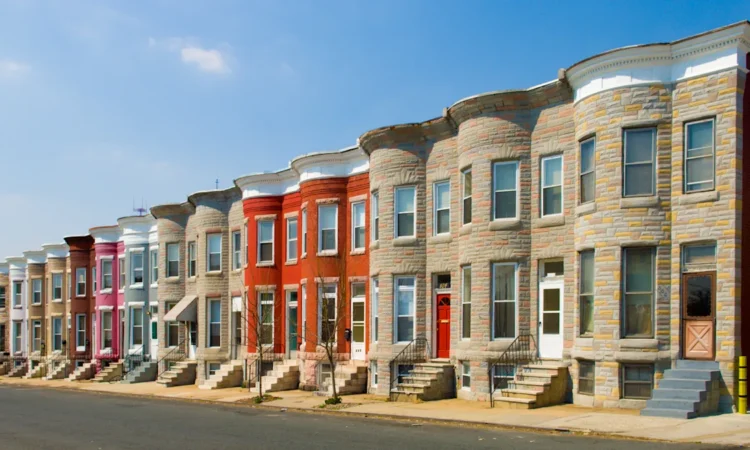
You have to think about not only affordability but livability factors like crime. Take Baltimore, for example. “Higher crime levels, slower-growing prices and higher taxes and insurance make investing in townhomes riskier than single-family homes,” Wright said.