Home prices fell in 13 of the 50 largest U.S. metropolitan areas last month compared to a year earlier as markets around the country adjust to a nationwide slowdown in demand, according to a new report by Redfin.
While these declines were modest in most of the country and buyers are likely to struggle to feel real relief, in six of these metros home prices dropped by more than 1 percent. Most of these cities are in Florida and Texas, the states experiencing the most dramatic corrections in the country.
Why the Housing Market Is Slowly Shifting
A recent rise in inventory in the U.S., due to an influx of new listings that are sitting longer on the market as buyers struggle with affordability challenges, has caused the vertiginous home price growth that characterized the past few years to finally slow down.
In July, according to Redfin, home prices nationwide slid down by a modest 0.1 percent compared to June—marking the third month of consecutive monthly declines. On a month-to-month basis, prices fell in 39 of the 50 largest metros in the country.
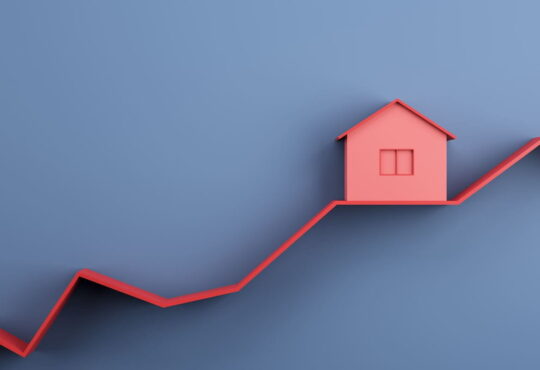
On a year-over-year basis, however, prices are still rising, even if slower than they have in more than a decade. The median sale price of the typical U.S. home in July was up 2.9 percent from a year earlier, the lowest rate since Redfin began collecting data in 2012.
Where Prices Are Falling the Most—and Why
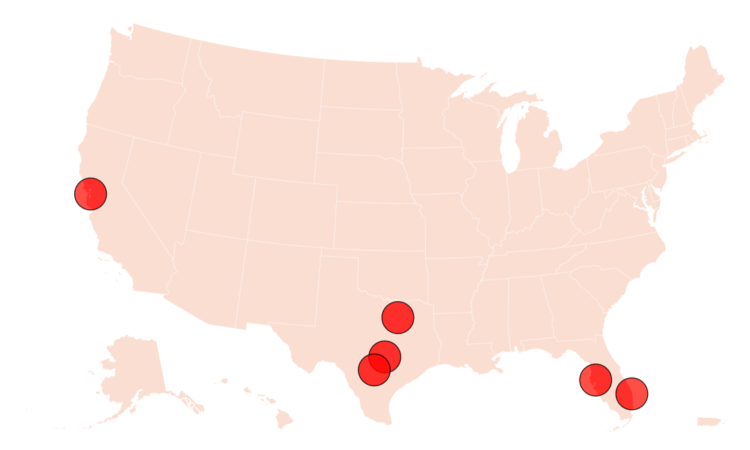
Only six cities in the country reported a year-over-year home price drop larger than 1 percent in July:
- Austin, Texas: -4.47 percent
- Dallas, Texas: -2.55 percent
- Oakland, California: -1.81 percent
- San Antonio, Texas: -1.03 percent
- Tampa, Florida: -4.20 percent
- West Palm Beach, Florida: -1.59 percent
What these cities have in common is that they exploded during the pandemic homebuying frenzy, with a boom in demand leading to skyrocketing home prices.
Both Florida and Texas experienced a surge in domestic migration during the pandemic, when the rise of remote work allowed many movers from all over the country to relocate to the two states, chasing sunny weather, cheaper housing and a lower tax environment.
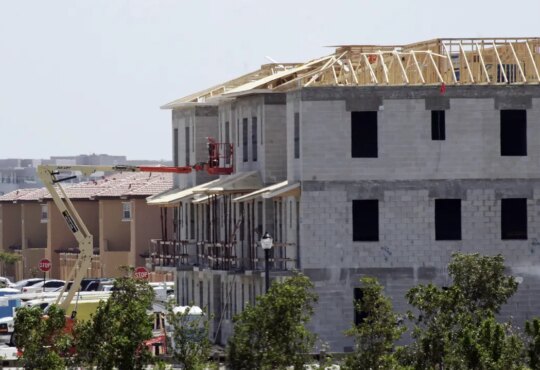
Trying to keep up with higher demand, both states built the most new homes in the country over the past couple of years. But when this new inventory hit the market, things had changed: Domestic migration had slowed down, causing in turn a slowdown in demand as many locals found themselves pushed to the sidelines by rising home prices and record-high mortgage rates.
A lot of the homes for sale in Florida and Texas are now sitting idle on the market for much longer than they have over the past five years, forcing sellers to slash prices and offer incentives to reluctant buyers to close a deal on their properties.
While Oakland has not experienced the same construction boom as cities in Florida and Texas, it likewise counts more sellers than buyers on its market. That is mainly because demand has softened since the pandemic, when the rise of remote work allowed many to relocate out of the expensive Bay Area, including to the relatively cheaper Oakland.
As a result of the mismatch between buyers and sellers in these six cities, sellers are adjusting their expectations and cutting prices to off-load their properties.
“After several years of tight inventory driving relentless price growth, we’re now seeing the opposite dynamic,” Sheharyar Bokhari, a senior economist at Redfin, said in a news release.
“Home prices are falling in more U.S. metros than at any point since we began tracking this data in 2012, and the reason is simple: supply is significantly outpacing demand,” he said. “If homeowners want to sell, they have to meet buyers where they are, which often means lowering prices. It’s a moment where patient, prepared buyers can find deals that simply weren’t possible a year ago.”