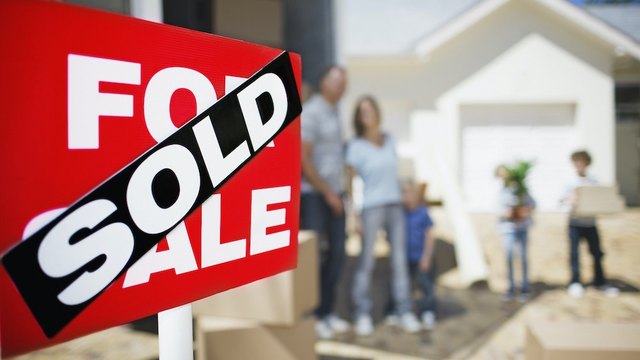
If you’re selling your home right now—or thinking about doing it soon—you should know that today’s housing market is unlike anything we’ve seen or experienced lately, maybe ever.
In the past, home sellers might have waited weeks or months to get an offer that might not be as high as they’d hoped. Buyers may have lowballed or driven a hard bargain, asking sellers to make certain repairs or other concessions before closing the deal.
Today, however, many of these realities are no more: In many areas of the country, homes are getting snapped up fast, sometimes within days of going on the market. Buyers mired in bidding wars are pushing their offers over the asking price, and often waiving inspections and other demands to sweeten their offer.
In general, this is all good news for sellers—and yet sellers are more reluctant than ever to put their homes on the market. In fact, delistings have actually surged in the past year, with sellers frustrated with market conditions for myriad reasons.
For sellers, it’s more important than ever to understand the market and play their cards carefully to fetch the best offer and terms. Here’s what sellers need to know about the real estate landscape today.
How the COVID-19 pandemic is still affecting the housing market
The COVID-19 pandemic changed so much of our lives, and real estate was no exception.
“We’ve all been through a hopefully once-in-a-lifetime experience that dramatically changed the way we lived, worked, and went about our daily lives,” says Realtor.com® Chief Economist Danielle Hale. “Even as we move forward and get back to living the way we used to, it’s likely that these experiences will stick with us and shape the way we make decisions for years into the future.”
For one, pandemic lockdowns made many people question whether their living spaces were still working for them anymore.
“One of the major motivations of homebuyers was the desire to have a larger, more functional home,” says Jason Gelios, a real estate agent with Community Choice Realty in Southeastern Michigan.
This was particularly true for people who started working remotely during the pandemic—who, after cramming their desks into dining rooms, “cloffices,” and other corners, were ready to upgrade to a bigger house so they could work at home with more privacy and comfort.
“This allows for people who are permanently remote-working to be more productive in their home,” explains Gelios.
And since remote workers no longer needed to commute to the office, many bought houses in areas that they hadn’t previously considered—and at rates never before seen.
The lowest 30-year fixed-rate mortgage rate during the pandemic was 2.65%, which was recorded in January 2021, according to Freddie Mac. With such a low rate, first-time buyers were able to lay down roots in homes that seemed out of reach before then.
And that’s where things start to take a turn.
Home inventory is on the rise, but remains low
Since the pandemic ended, buyers have been out in droves, but there are many fewer homes on the market than usual—which is creating a highly competitive market for buyers nationwide.
“Sellers benefited from the historically low inventory levels and record demand,” says Chad Carroll with The Carroll Group at Compass in South Florida. “This combination fueled bidding wars and led to properties going under contract at an insane velocity.”
For context, the inventory of homes for sale rose 24.8% year over year in July 2025, marking the 21st consecutive month of inventory growth and the third consecutive month with over 1 million active listings. However, despite hitting a new post-pandemic high, the numbers remain 13.4% below pre-pandemic levels.
The main issue remains mortgage rates. Higher mortgage rates have slashed buyer purchasing power, reshaped demand, and left builders navigating an uneven recovery.
Home prices are still high—and perhaps out of reach
With fewer homes and high demand for them, many sellers were seeing multiple offers after the pandemic subsided, which, in turn, drove up prices.
Often, buyers were making offers above the listing price.
“Faced with few homes available for sale, buyers intent on owning are pulling out all the stops,” says Hale.
However, this highly beneficial market for sellers came with a big caveat: Selling means you’ll need to buy a new home yourself.
By 2025, with mortgage rates still high, inventory low, and a looming recession due to the state of the economy, buyers pulled back on their lavish offers and bidding wars. Now, sellers are expected to make concessions and once again accept lowball offers just in hopes of selling.
But the reality is, most sellers would rather stay in their current home and continue to grow equity than sell at a loss. In short, the market is at a bit of a standstill.
Is it a seller’s market?
In short: no.
But it could be on its way to one.
“There are many ways to define a seller’s market,” says Hale. “But a few key hallmarks are limited availability of homes for sale, fast-selling homes, rising home prices, and competitive buyer offers such as offers over asking price, waiving contingencies, and flexible closing terms.”
All that said, most buyers are looking for a new home because it’s the right time for them—not because of market conditions.
“They’re getting married, moving in with a partner, expanding their family, or planning to do so,” Hale explains.
And the same wisdom applies to deciding whether to sell your house: Even though market conditions are in your favor, you should make sure it’s the right time to sell your house for you. Weigh your own personal circumstances, including any current or upcoming life changes such as a new job, retirement, the arrival or departure of family members within the home, and more.